
If you’re an American reading this, you’ve probably done the math at least once. The mortgage that swallows half your income. The health insurance premium that climbs every year, faster than your raise. The school bus that costs nine hundred dollars a month. The grocery bill that didn’t used to feel like a major event. And somewhere underneath it all, the sense that you’re working harder for a life that costs more and gives back less than the one your parents had.
Then someone — a friend, a TikTok, a podcast — mentions Valencia. And the math starts to look different.
This is the guide written for Americans considering Valencia in 2026. Not the brochure version. The honest one. What the visa actually requires now that the rules have tightened, what life genuinely costs, how the FBI background check is going to eat three months of your timeline if you don’t start now, where Americans actually live in this city, and what the first year really feels like once the Instagram filter wears off. We’re a small, family-run team based in Valencia, and we’ve walked alongside more American families through this move than we can count. This is what we tell them on the first call.
Why Americans are choosing Valencia in 2026
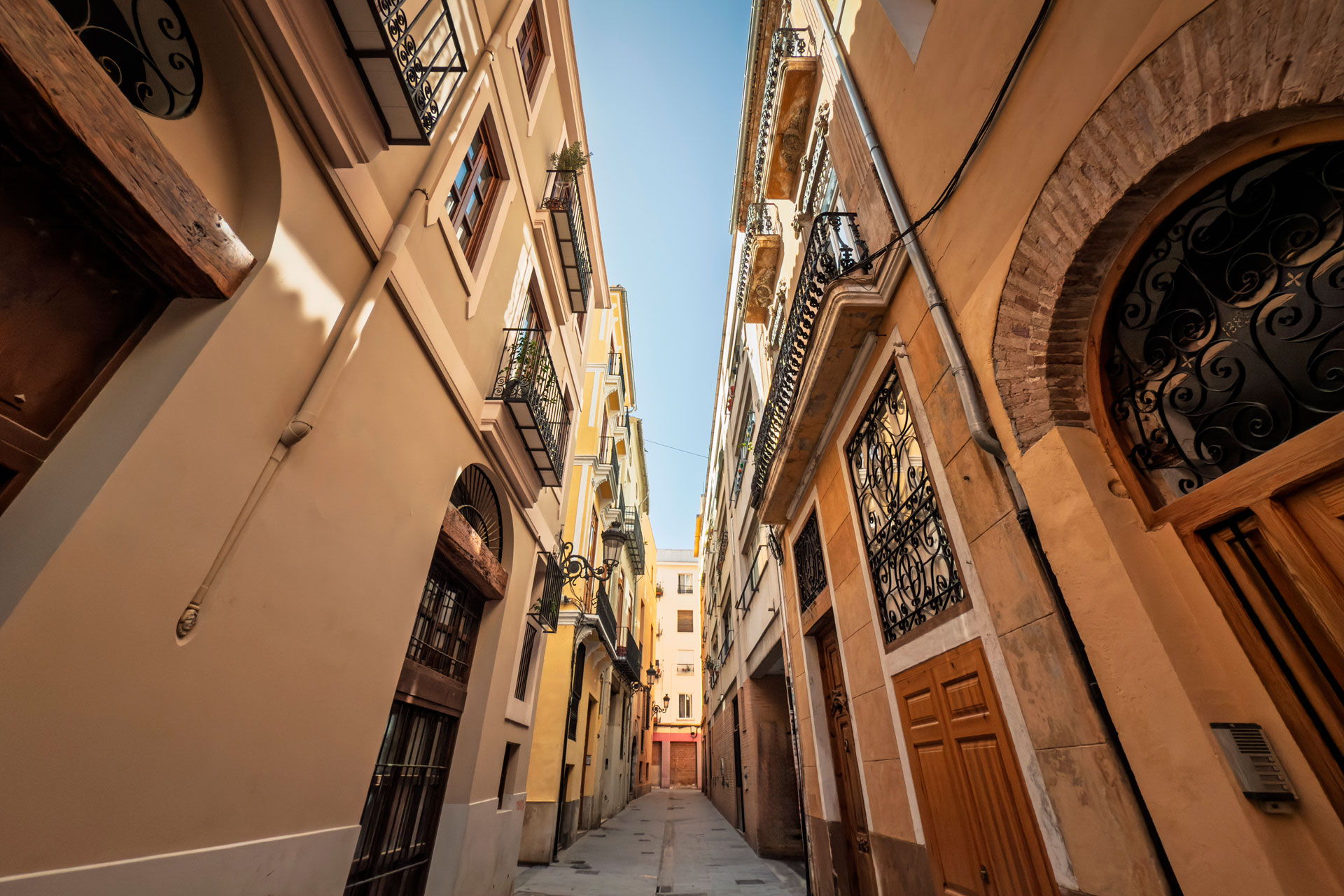
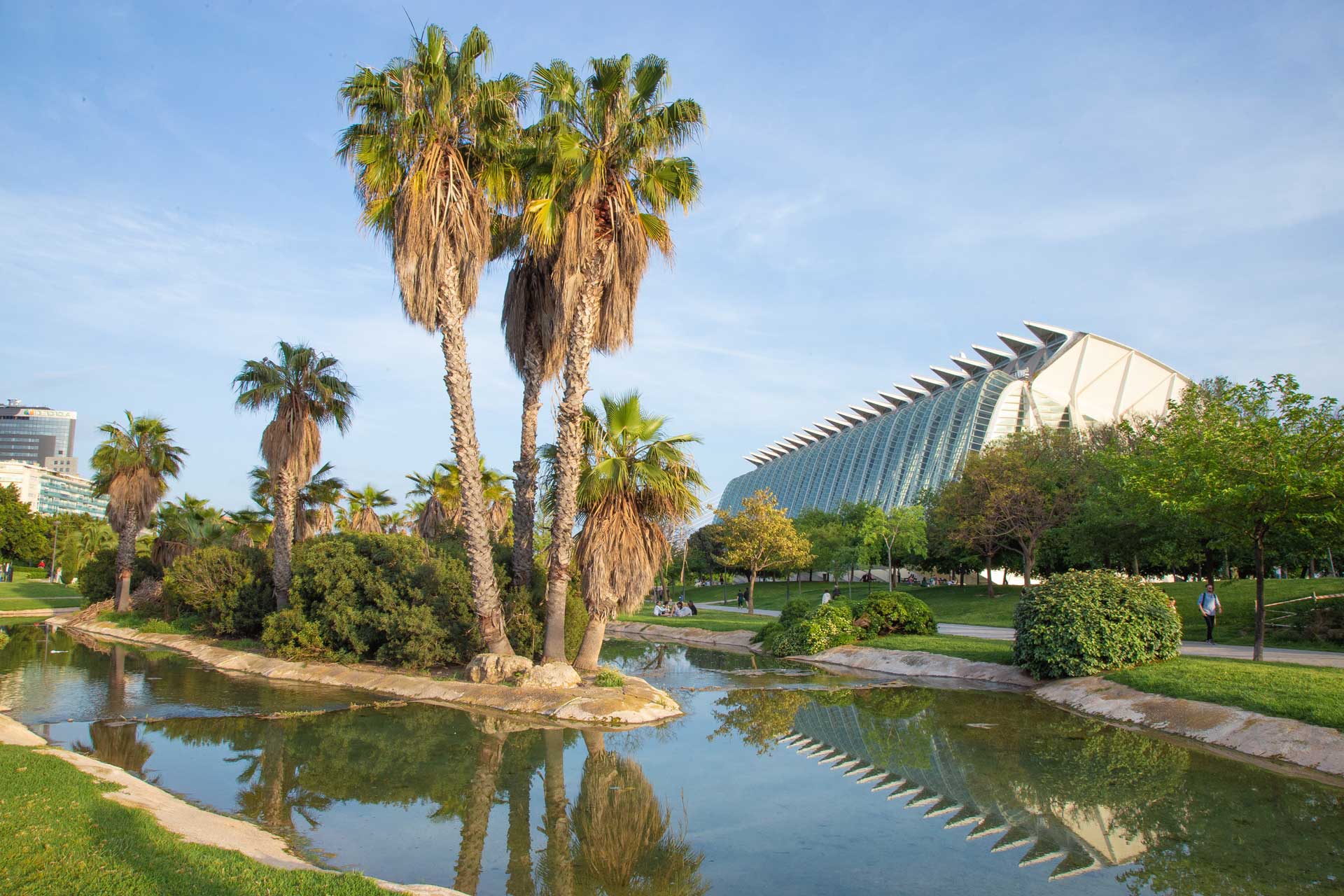
Valencia is Spain’s third-largest city, on the Mediterranean coast about three hours south of Barcelona by train, with roughly 800,000 people in the city and 1.5 million in the metro. Crucially for Americans, it is not Madrid and it is not Barcelona — which is precisely why so many of our clients end up here. The cost of living is roughly 30–40% lower than in any comparable American city, the pace is calmer, and the international community is large enough to land in but small enough to actually integrate. The Mediterranean climate is genuine — three hundred sunny days a year, mild winters, springs that arrive in February. The city is compact enough that the grocery store, the pediatrician, the school, and the beach all sit within twenty minutes.
Here is the number that tends to stop Americans in their tracks. A family of four can live comfortably in central Valencia on roughly $3,500–$5,500 per month — the equivalent of a $90,000–$100,000 annual household budget. The same lifestyle in San Diego, Boston, or any comparable American metro requires $150,000–$180,000 a year, often more. That gap is not marketing. It is the everyday gap between an American life and a Spanish one, and once you’ve felt it for six months, going back becomes harder than you’d think.
The visa: which path is actually right for you
The Golden Visa is gone. Let’s start there, because half the articles still online say otherwise. Spain’s residency-by-investment program was discontinued on 3 April 2025 under Organic Law 1/2025. Existing holders can renew, but no new applications are accepted. For Americans, the conversation in 2026 has narrowed to two real options.
1. The Non-Lucrative Visa (NLV)
This is the path for retirees, financially independent families, and Americans living on passive income who do not plan to work — locally or remotely. The NLV explicitly prohibits all work, including remote work for US employers, and Spanish consulates have tightened enforcement on this in 2025–2026. The 2026 financial threshold is $32,000–$33,000/year for the main applicant (€28,800, which is 400% of the Spanish IPREM at €600/month), with each accompanying family member adding roughly $8,500/year (€7,200). In practice, a couple needs around $39,000/year; a couple with two children, roughly $55,000.
The income must come from outside Spain, must be passive and verifiable (Social Security, IRA or 401(k) distributions, pensions, dividends, rental income, annuities), and must be supported by 6–12 months of bank statements. You’ll also need comprehensive private health insurance from a Spain-authorized insurer with no co-pays, no deductibles, and no waiting periods — typically $1,100–$2,700 per year for a family. We’ve written a detailed 2026 NLV guide covering the May 2025 rule changes in depth.
2. The Digital Nomad Visa (DNV)
If you or your spouse work remotely for a US employer or as a US-based freelancer, this is your path. The 2026 income requirement is 200% of the Spanish minimum wage — approximately $3,250/month ($39,000/year) for the main applicant, with additional amounts for dependents. The DNV permits remote work for non-Spanish employers, allows the Beckham Law tax regime (flat 24% on Spanish-source income up to €600,000 for six years), and — unlike the NLV — has more flexibility around physical presence. Spanish-source income cannot exceed 20% of your total, and consular scrutiny on the legitimacy and traceability of remote-work income is markedly higher in 2026.
The FBI background check: your single longest item
Here is the most important sentence in this article for any American planning the move. Start your FBI background check today. Not next month, not after the holidays — today.
Spanish consulates require an FBI Identity History Summary (not a state or local police check — those are not accepted) submitted via fingerprints, then apostilled by the US Department of State in Washington, DC (not by your state’s Secretary of State — that’s a federal document, the state apostille is invalid), then officially translated into Spanish by a sworn translator registered with Spain’s Ministry of Foreign Affairs. Through standard channels, the FBI check takes 8–12 weeks, the federal apostille adds 4–8 weeks, and sworn translation a few days. The certificate must be less than 90 days old when you submit your visa application, so timing matters. This is the single most common reason American applications slip by a quarter.
Cost of living: the comparison Americans actually feel
Housing. A central, modern, three-bedroom apartment in Ruzafa, El Pla del Real, or L’Eixample rents for €1,500–€3,500/month ($1,825–$4,050), with furnished a 15–25% premium. A four-bedroom villa with a pool in the western suburbs near the international schools starts around €2,000/month ($2,325) and climbs above $3,500 for the best stock. Same square footage in any American sunbelt city: triple the cost, easily. We’ve covered the full housing cost map in our 2026 relocation costs guide.
Groceries. A weekly shop for a family of four at Mercadona runs €100–€150 ($110–$165) — including meat, fish, and produce in volumes that would seem extravagant in the US. Bread is real bread. Tomatoes taste like tomatoes. Olive oil costs €4–€6 a liter, the wine you’d pay $25 for in the US costs €6. Most Americans report grocery bills 40–50% below their US baseline within the first month.
Eating out. A menú del día — three courses with wine at lunch — costs €15–€25 per person. Dinner for two at a neighborhood restaurant with wine: €40–€80. The brunch place that costs $35 a head in your American city costs €12 here. You’ll eat out more than you did in the States, and your bank account won’t notice.
Healthcare. This is the section that genuinely shocks Americans. Comprehensive private health insurance with one of the major Spanish insurers (Sanitas, Adeslas, DKV, ASISA) runs €80–€130 per adult per month ($95–$150) — roughly $1,200–$1,800 per year per adult, versus the $6,000–$15,000 Americans typically pay for inferior coverage with deductibles and co-pays at home. Spanish private healthcare is genuinely excellent: short specialist waiting times, no co-pays, and English-speaking pediatricians and GPs are common in Valencia.
Public healthcare. Spain’s Sistema Nacional de Salud — accessed through the SIP card — is one of the best public systems in the world, consistently ranked in the global top ten by the WHO. Digital Nomad Visa holders who register as autónomos are entitled to it through their social security contributions, with their whole family covered. NLV holders are not — the visa prohibits work, so private insurance is mandatory. After twelve continuous months of empadronamiento, NLV holders can apply for the Convenio Especial at roughly €60/month per adult under 65 (€157/month for those over 65), with each family member needing a separate application.
Schools. If you’re moving with children, the choice is between Spanish public schools (free, neighborhood-allocated, full immersion within a year for under-tens), concertado schools (private but partly state-funded, modest fees), and full international schools. The American-leaning options include the American School of Valencia in Puçol and Caxton College (British curriculum) nearby, plus IB and bilingual options in the western suburbs. International school fees in Valencia run €7,000–€15,000 per year per child — roughly 30–40% below comparable schools in Madrid, Barcelona, or any US private school. Our expat family relocation guide for 2026 covers the schooling decision in depth.
Where Americans actually live in Valencia
The neighborhood question is shaped almost entirely by your stage of life. Younger Americans, remote workers, and couples without children gravitate toward Ruzafa — the city’s creative heart, comparable to Brooklyn or Echo Park in feel, full of independent cafés, coworking spaces, and a strong international scene. Rents are higher (€1,200–€1,600 for a one-bedroom), property prices around €4,840/m², and the social life is the best in the city.
Families with younger children often choose El Pla del Real (the leafy, residential premium area), Campanar (modern apartments with communal pools, family-safe), or El Cabanyal (the beachside neighborhood that’s gone from gritty to beautiful in a decade and now feels like a Mediterranean Venice Beach).
Families with school-aged children and a budget for international school cluster in the western suburbs: La Cañada, L’Eliana, Rocafort, Godella, and Campolivar — quiet, leafy towns 15–25 minutes from central Valencia, with houses, gardens, and the cluster of international schools that draw American families specifically. Puçol to the north, home to the American School and Caxton College, attracts the more affluent end of the international family market.
The actual American taxes question
You will file two tax returns. Forever. The United States taxes its citizens on worldwide income regardless of where they live — it’s one of only two countries that does this (Eritrea is the other). What changes is the Spanish return.
If you spend more than 183 days in Spain in a calendar year — which you almost certainly will as a resident — you become a Spanish tax resident and must file an annual Declaración de la Renta, declaring worldwide income. Spanish tax rates run from 19% to 47% on general income, progressively. Crucially, the US–Spain double-taxation treaty prevents you from being taxed twice on the same income: you’ll claim foreign tax credits on your US return (IRS Form 1116) to offset Spanish tax paid, and the Foreign Earned Income Exclusion may exclude up to roughly $130,000 of US-source earned income from US taxation in 2026.
The Beckham Law — Spain’s special regime taxing Spanish-source income at a flat 24% (up to €600,000) for six years instead of progressive rates — is available to people who relocate to Spain to work, including DNV holders and employed expats. It is not available to NLV holders, since the NLV prohibits work. The application window is short (six months from registering with Spanish Social Security), so this is a decision to make with a US-Spain tax specialist before you arrive, not after.
The first year, and what nobody tells you
The first month is administrative — the empadronamiento (town hall registration), the TIE appointment (your physical residency card, required within 30 days of entering on a national visa), the Spanish bank account, utilities, the SIP card if applicable. The chains of appointments, document translations, and missed deadlines compound fast — most of what families lose time to when they handle the move alone.
Months two through six are when the move actually happens. The kids start school. You start groping for Spanish in the bakery. You discover that nothing opens between 2 and 5 in the afternoon, that nothing matters before 10 in the morning, and that the rhythm of the day is fundamentally different from the American one — slower, more social, more porous between work and life. Some Americans love this immediately. Some need three months to stop feeling restless. Almost everyone, by month six, has stopped trying to import the American pace and started living the Spanish one.
The cultural adjustments most Americans flag: groceries are bought daily or every other day, not weekly. Drivers honk less. Bills are paid by direct debit, not check. Tipping is small (rounding up, not 20%). Doctors give you their cell phone number. Dinner is at 9 or 10pm. Kids stay out past 11pm and nobody panics. You will, slowly, stop noticing any of this.
How we work with American families
We’re a small, independent, family-run team based in Valencia — not an immigration law firm, not a real estate agency, and not taking commissions from sellers, landlords, schools, or insurers. We work only for our clients, which is what makes our advice independent. For Americans, we coordinate the full move: the visa strategy with our trusted immigration attorneys (the ones who understand FBI apostille timelines and 2026 consular nuances), the housing search with on-the-ground viewings, the school strategy where children are involved, the empadronamiento and TIE bookings, the cross-border tax introductions, the healthcare insurance, the utilities, the SIP card, and the soft landing in the first ninety days that turns a paperwork-complete move into an actual life. The through-line for Americans is our centralized visa and housing service, and the broader family service is here.
Start the conversation
If you’ve read this far, you’re past the casual-curiosity phase. The most useful next step is an honest, no-pressure video call about your situation — your visa path, your timeline, your budget, what you’re trying to build here. We offer this for free, fifteen minutes, no pitch.
Book your free 15-minute consultation here →
Valencia genuinely is the place a lot of Americans are looking for. The first year is the hardest, the most important, and the most rewarding. Let’s make it as good as the life you’re moving toward.
Frequently Asked Questions
1. Can I move to Valencia from the USA without a job in Spain? Yes. The Non-Lucrative Visa is designed for retirees, financially independent individuals, and families living on passive income. The Digital Nomad Visa works for Americans working remotely for US employers or as US-based freelancers. The Golden Visa is no longer available — it was discontinued in April 2025.
2. How much money do I need to qualify for the Non-Lucrative Visa in 2026? The main applicant must show approximately $32,000–$33,000 per year (€28,800), with each accompanying family member adding around $8,400 per year (€7,200). A couple needs roughly $39,000/year; a couple with two children, around $55,000. The income must be passive (Social Security, IRA distributions, pensions, dividends, rental income), supported by 6–12 months of bank statements.
3. Can I work remotely for my US employer on the Non-Lucrative Visa? No. The NLV explicitly prohibits all work, including remote work for foreign employers. If you’re working remotely from Spain, the Digital Nomad Visa is the correct route. Spanish consulates have tightened enforcement on this point in 2025–2026.
4. How long does the FBI background check actually take? Through standard government channels, the FBI Identity History Summary takes 8–12 weeks, the federal apostille from the US Department of State adds 4–8 weeks, and sworn translation a few days. The certificate must be less than 90 days old when you submit, so timing matters. FBI-approved channelers and expedited apostille services can compress this dramatically — we coordinate the fast route for our clients.
5. What’s the realistic cost of living for an American family in Valencia in 2026? A family of four lives well in central Valencia on roughly $3,500–$5,500 per month, equivalent to a $90,000–$100,000 annual household budget. The same lifestyle in San Diego or Boston typically requires $150,000–$180,000 per year. International school tuition, if applicable, sits outside that range.
6. Do I still have to file US taxes if I move to Valencia? Yes — the United States taxes its citizens on worldwide income regardless of residence. The US-Spain double-taxation treaty and IRS Form 1116 (Foreign Tax Credit) prevent you from paying tax twice on the same income, and the Foreign Earned Income Exclusion may exclude up to approximately $130,000 of US-source earned income. Plan to file two returns annually and work with a cross-border tax specialist.
7. Will I get Spanish public healthcare? It depends on your visa. Digital Nomad Visa holders registered as autónomos contribute to Spanish Social Security and the whole family receives the SIP card automatically. NLV holders are not eligible automatically and must maintain private insurance; after 12 continuous months of residence, they can apply for the Convenio Especial (around €60/month per adult under 65, €157/month over 65) for SIP access. Private insurance in Valencia runs $1,100–$1,750 per year per adult — a fraction of US premiums.
8. Does the Beckham Law apply to Americans on the NLV? No. The Beckham Law is reserved for foreigners who relocate to Spain to work — that includes DNV holders and employed expats. NLV holders are taxed under the standard progressive resident regime because the visa prohibits work. The Beckham Law application window is short (six months from registering with Spanish Social Security), so the decision needs to happen before arrival.
9. Can I buy a property in Valencia as an American, and is it complicated? Yes, Americans can buy property in Spain without residency restrictions. You’ll need a Spanish tax ID (NIE), a Spanish bank account, and you’ll budget roughly 12–15% above the purchase price for total acquisition costs (ITP drops from 10% to 9% on resale homes from 1 June 2026, plus real estate agency fee, notary, registry, and legal fees). The notary in Spain is neutral — they do not check for hidden debts, illegal renovations, or community fees that may transfer to you. Independent legal due diligence is essential. We’ve covered the full process in our 2026 buying property guide.
10. What does Livin’Valencia actually do for an American relocating? We coordinate the full move — the visa strategy through our trusted immigration attorneys, the FBI apostille pathway, the housing search with on-the-ground viewings (the rental market is tight and good properties go in 72 hours), school strategy and applications, the empadronamiento and TIE bookings, cross-border tax specialist introductions, healthcare insurance setup, utilities, the SIP card, and a soft landing during the first ninety days when most real questions arrive.
Have a question we haven’t covered? Get in touch → — we read every message.