
A move to Valencia can look simple from a distance: trade a long commute and a large house for sunshine, walkable streets and a slower pace. But the decision is more personal than that. Would you enjoy apartment living? Would you miss having a car nearby, a large kitchen or friends and family just a short drive away? Would you prefer the city’s daily energy, or the space of a home in the suburbs?
These questions matter because Valencia is not just a different place to live. For many Americans, it means adjusting to a different kind of home and a different rhythm of everyday life.
We have helped many American families, couples and individuals make that transition. Most choose to stay. That does not mean Valencia is right for everyone. In our experience, people are better placed to decide when they have looked beyond the holiday version of the city and thought about how they want an ordinary week to feel.
The city and the suburbs offer different lives
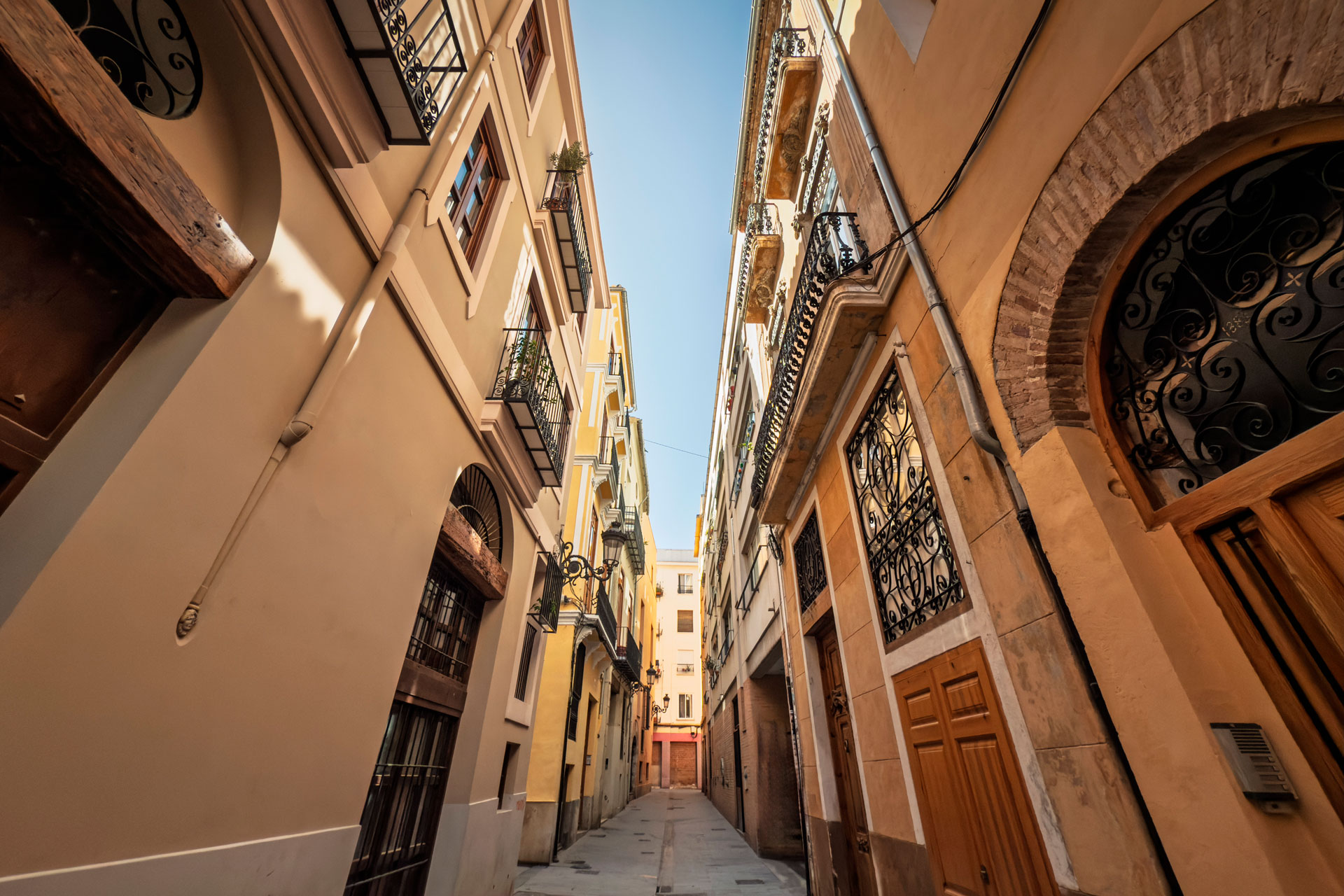
Valencia city appeals to people who want to walk to cafés, shops, parks and public transport. Many residents manage daily life without a car. The trade-off is that housing is predominantly apartments, often in older buildings with compact rooms, limited storage and shared walls.
The suburbs offer a different range of homes and routines. In towns such as Godella, La Eliana, La Cañada, and Rocafort, families might find a townhouse near local shops, or a larger detached home with a garden and pool. Gated communities such as Santa Bárbara offer a more private setting, with villas and shared facilities that can include tennis courts or a country club.
More space can make family life feel easier, especially if you are used to a garden or need room to work from home. But it may also mean more maintenance, higher housing costs and greater reliance on a car. Some areas have metro connections, though the commute depends on the exact address, school and workplace.
Neither option is automatically better. The question is what fits your family’s everyday life. We help families compare these options as part of our family relocation support, considering housing alongside schools, transport and the routines that matter to them.
What many Americans enjoy about Valencia
A more walkable daily routine
If you live in the right place for your needs, you may be able to walk to the bakery, supermarket, school, park or local café. Public transport and cycling can cover many journeys that would involve driving in parts of the US.
This can free up time and make the neighbourhood feel like an extension of your home. It can also take some getting used to if you are accustomed to driving between destinations or doing a large weekly shop by car. People living in the suburbs may still use a car regularly, particularly for school runs, shopping or activities outside their town.
More life outside the home
Valencia’s climate makes it possible to spend a lot of time outdoors. People walk, cycle, meet friends in plazas and use parks as part of everyday life. Families often find that children are welcome in cafés and restaurants, and that public spaces are used well into the evening.
The Turia Gardens, a long green space through the city, is a popular place to walk, cycle and play. The beach and Albufera are also part of the wider area. But if your idea of nature is forest, mountains or rugged coastline, Valencia itself may not provide that scenery on your doorstep. The city is flat and urban. More dramatic landscapes require a trip beyond it.
A different pace around meals and family life
Many newcomers enjoy the time people make for meals, family and socialising. Children are often part of these plans rather than needing separate activities. Local markets, neighbourhood shops and cafés can become part of your routine.
That does not mean everything feels slower in a relaxing way. Some services and administrative tasks may take longer than you expect, and opening hours or appointment systems can work differently. It helps to plan ahead and allow time for tasks that you might otherwise expect to complete in one visit.
The things that can take adjustment
Downsizing, especially in the city
One of the biggest adjustments for families moving from the US is the home itself. A detached house with several large bedrooms, a garage, basement and garden may be replaced by an apartment with compact rooms, fewer bathrooms and less built-in storage.
Apartment living also means sharing parts of the building. You use the same entrance, stairs or lift as your neighbours, and you may hear each other through the walls or from an interior courtyard. Some buildings do not have a lift, so the floor and access matter. A flat listed as having three bedrooms may still feel quite different from a three-bedroom home you are used to.
For families who want more space, suburban homes are a genuine alternative. The choice can range from townhouses to large villas with pools, and some gated communities offer shared facilities. These homes can provide privacy and outdoor space, but they may require more upkeep and make a car more useful. A pool or country club may sound appealing, but it is worth considering how often you would use it and whether it suits your budget and routine.
When we help clients look for a home, we encourage them to imagine an ordinary week there. Where will you work? How will the children get to school? Where will bikes, sports equipment and suitcases go? How much time will you spend commuting or maintaining the property? These questions often shape a successful search more than the listing photos. Our rental support service helps clients assess homes against how they actually live.
Noise and neighbours
City life can be lively. You may hear conversations from balconies, scooters, deliveries, cafés and neighbourhood events. Quiet streets exist, but a short viewing may not reveal what a building or street feels like in the evening.
The suburbs can offer more space between homes and a quieter residential rhythm, but they are not automatically silent. There may be traffic, dogs, construction or activity around shared facilities. The important thing is to assess the specific street and home, not rely only on a neighbourhood name.
If you can, visit at different times of day. If you are searching remotely, ask for a live video showing the street, building entrance, windows and rooms. Ask what is next door or underneath the home, and whether the property has been lived in year-round.
Food and shopping may feel less varied
Valencia has excellent local produce, markets and restaurants. You may find that you cook more at home, shop more frequently and learn to use local ingredients. Many people enjoy this shift.
At the same time, if you are coming from a large American city, you may miss the breadth of international cuisines, specialty grocery stores or familiar brands. They exist, but the selection may not be as wide or convenient as you are used to. This is a small detail until it becomes part of your weekly routine, so it is worth being realistic about what you value.
Language and social connection
You can arrive without fluent Spanish, but life tends to become easier as your Spanish improves. English is useful in some international settings, but it is not available in every conversation with a neighbour, school, landlord or local office. You will also encounter Valencian in public life and schools.
Some Americans quickly find community through work, school or shared interests. Others realise that most of their social life is with other newcomers and would like more local connections. Building friendships takes time. Learning Spanish and taking part in the same regular activities as your neighbours can help, but it does not happen automatically.
It helps to think about the kind of community you want before choosing a school or neighbourhood. An international school may suit one family; a local school may suit another. Some families want an international network, others want deeper immersion, and many want a mix. The choice is personal, and the practical implications are worth discussing early.
Distance from family in the US
A transatlantic move changes how often you can see family and close friends. Time zones can make regular calls harder to arrange, and a visit home involves more planning and expense than a weekend trip. This can feel manageable for some families and difficult for others, especially during the first year.
Think about how often you expect to travel, whether family members can visit you, and what support you may miss during important moments. It is better to discuss this before the move than discover that distance affects you more than expected.
The US tax and residency side needs its own planning
Moving to Spain does not automatically end US tax obligations. The IRS states that US citizens abroad are generally subject to US tax rules on worldwide income and may have ongoing filing requirements. Whether particular exclusions, credits or reporting rules apply depends on your situation, so speak with a qualified cross-border tax adviser before moving.
You will also need the appropriate Spanish immigration permission for your circumstances. Visa, tax and residency decisions are related, but they are not the same question. Our guide for American families moving to Valencia covers more of the practical planning involved. For personal tax or immigration advice, work with a qualified specialist.
How to make the decision with your eyes open
If possible, visit Valencia before committing to a move. Spend time in the areas where you might actually live, not only the historic centre or beachfront. Walk the route to the supermarket, try public transport, and visit at different times of day. If you are considering the suburbs, test the journey to the city and the school you have in mind.
Think about the home and lifestyle together. A central apartment may mean less space but more walking and easier access to everyday services. A suburban house may give you a garden, pool or more bedrooms, but the daily routine could involve more driving and planning. Look at the full journey, not simply the distance on a map.
You do not need to resolve every detail before arriving. You do need to know which compromises are acceptable and which would make daily life difficult. Our suburban living guide introduces some of the towns and residential areas families consider around Valencia.
Would Valencia suit you?
Valencia can be a rewarding place to live if you value outdoor life, neighbourhood routines and the chance to experience a different culture. It may be less comfortable if you expect a large American-style home in the city centre, want every service to work as it does at home, or do not want to adapt to a new language and social rhythm.
For some families, the right answer is a city apartment. For others, it is a townhouse or villa in the suburbs. Some try one setting and later move to the other. There is no single correct choice, and the best decision is the one that fits your family rather than an idealised picture of life abroad.
We have helped many Americans and other international families weigh these choices. Our role is to explain what the options may mean in practice, help you assess homes and areas, and coordinate the parts of the move that fit within our service. We will also tell you when a question needs a specialist, or when a different location might suit you better.
If you are considering a move, book a free 15-minute consultation. Tell us what you are hoping for, what concerns you and whether you picture city or suburban life. We can talk through the practical realities and whether our relocation support in Valencia could help.