Last updated: November 2026
Riba-roja de Túria rarely appears in the first round of searches when families plan a move to Valencia. It tends to come up a little later, once people realise they would like more space and greenery than the closer suburbs offer, without giving up a metro connection to the city and the airport. That is usually when Masía de Traver, Riba-roja’s best-known residential community, enters the conversation.
We have been helping international families settle around Valencia since 2015, and Riba-roja is one of those places that can surprise people in both directions. Some fall for the river park, the pine trees and the quiet streets. Others find it a little too far out for the life they want. This guide shares our honest view: what living in Riba-roja de Túria and Masía de Traver is really like, who it suits, and the questions worth asking before you choose.
Where Riba-roja is, and what kind of place it is
Riba-roja de Túria is a municipality of the Camp de Túria, about 20 km west of Valencia, on the banks of the Turia river. The town has a traditional centre built around its castle, a church, squares and local shops, and it has grown considerably over the last decades with new neighbourhoods, sports facilities and large business parks on its outskirts.
For international families, the main interest lies in the residential developments around the town, and above all Masía de Traver, a gated community located a few kilometres from the town centre, right beside the Turia river park. A cycle lane links the development with the town, and the river path connects it with a long green route towards Valencia.
It helps to see Riba-roja as two different experiences. Living in the town centre means a traditional Valencian setting with daily life on foot. Living in Masía de Traver means a residential community with gardens, pools, a club and security, where most errands still involve the car or the bus.
Masía de Traver: the river, the club and the metro
Masía de Traver is the reason many families look at Riba-roja in the first place. It combines several things that are hard to find together around Valencia:
- A gated community with private security, controlled access and well-kept common areas.
- A social club with a large pool, tennis, padel and basketball courts and a restaurant, which becomes a meeting point for children and parents alike.
- Direct access to the Turia river park, a natural corridor that follows the river for around 30 km from Vilamarxant to the city of Valencia, popular for walking, running and cycling.
- Its own metro stop, Masía de Traver, on Metrovalencia Line 9, with direct services towards Valencia and the airport.
That last point is unusual for a residential development of this kind, and it makes a real difference for teenagers, commuters and anyone who prefers not to drive into the city every day. The regional government has also studied extending Line 9 into Riba-roja’s town centre, which would further improve connections for the municipality as a whole, although timelines for public works should always be treated with caution.
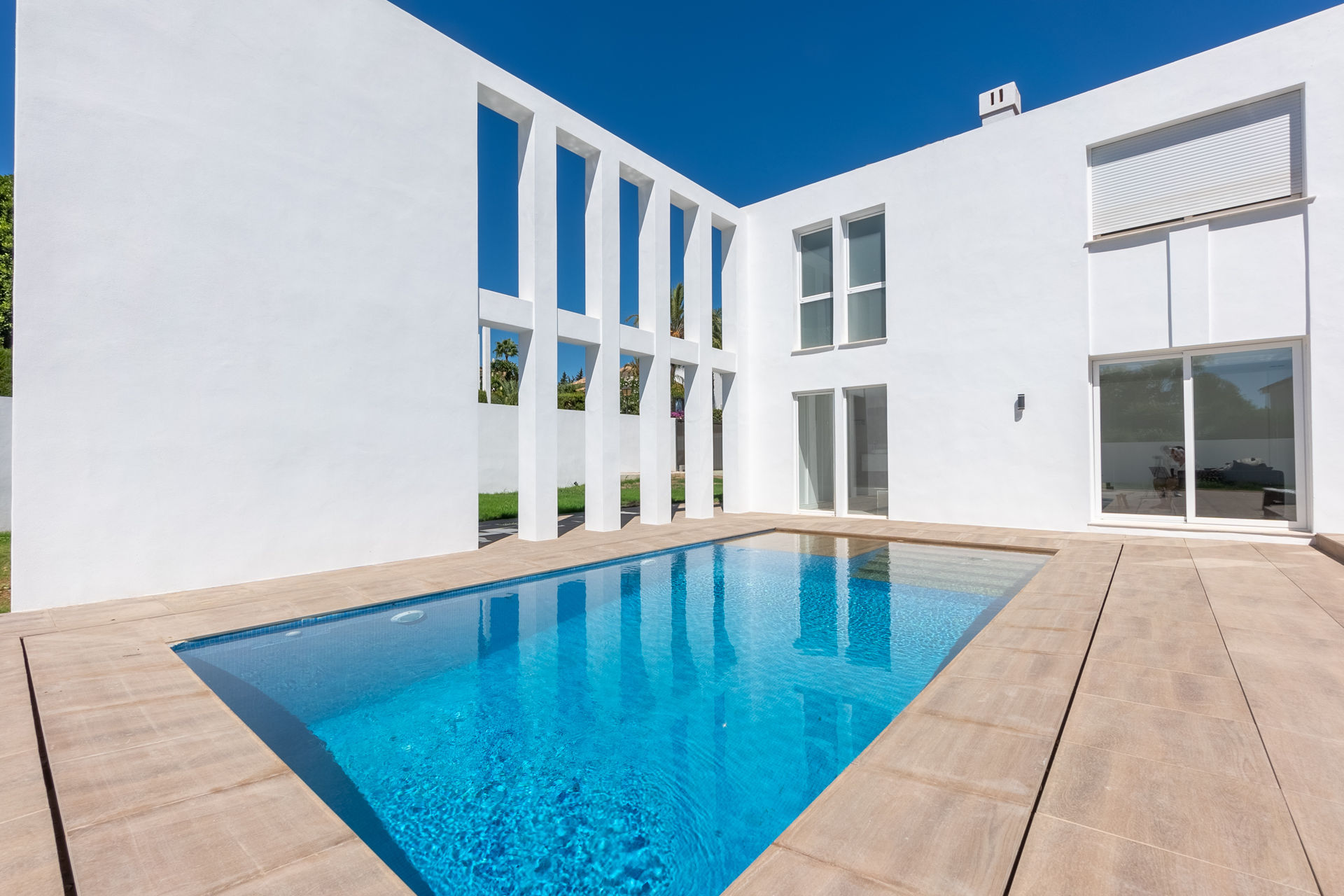
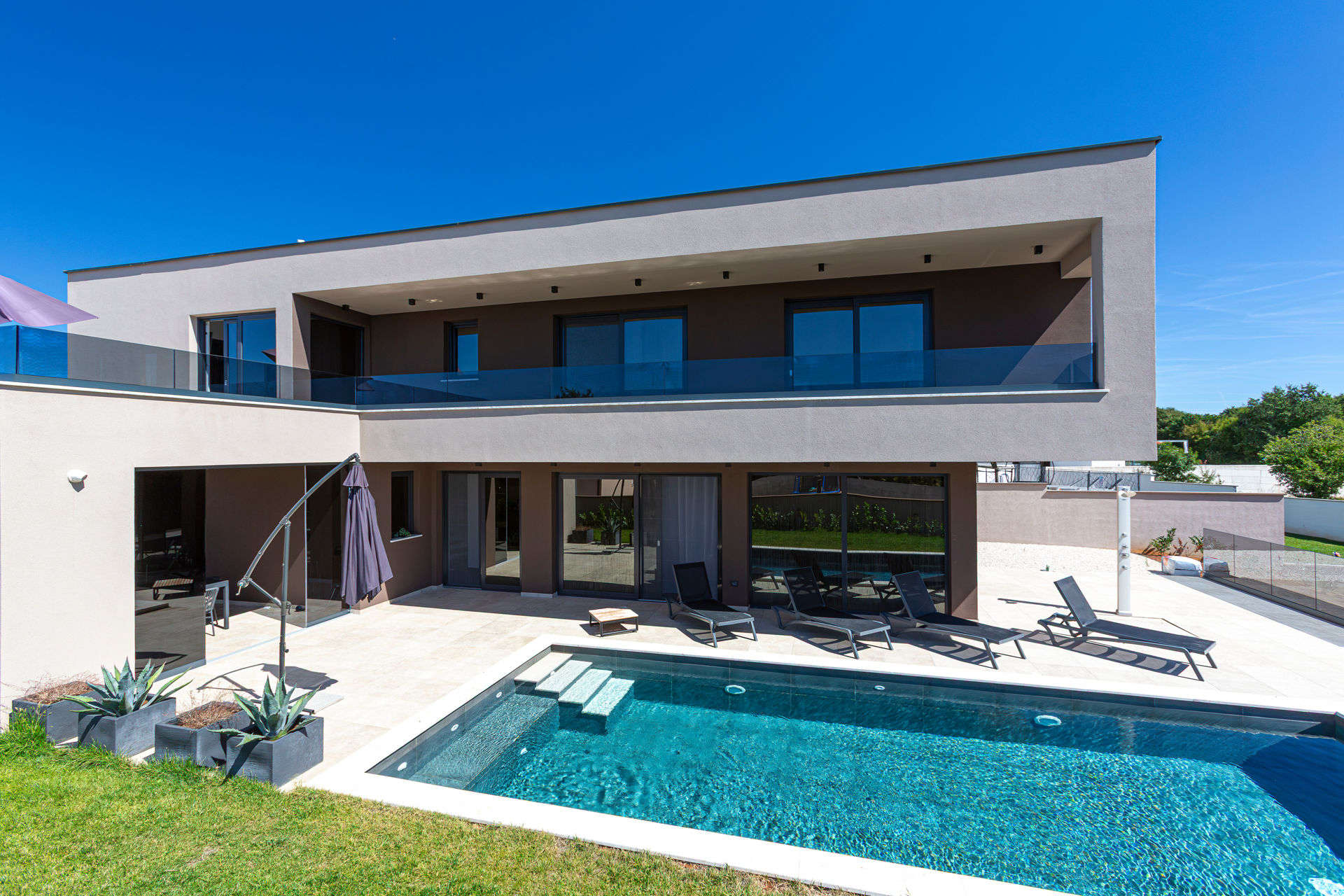
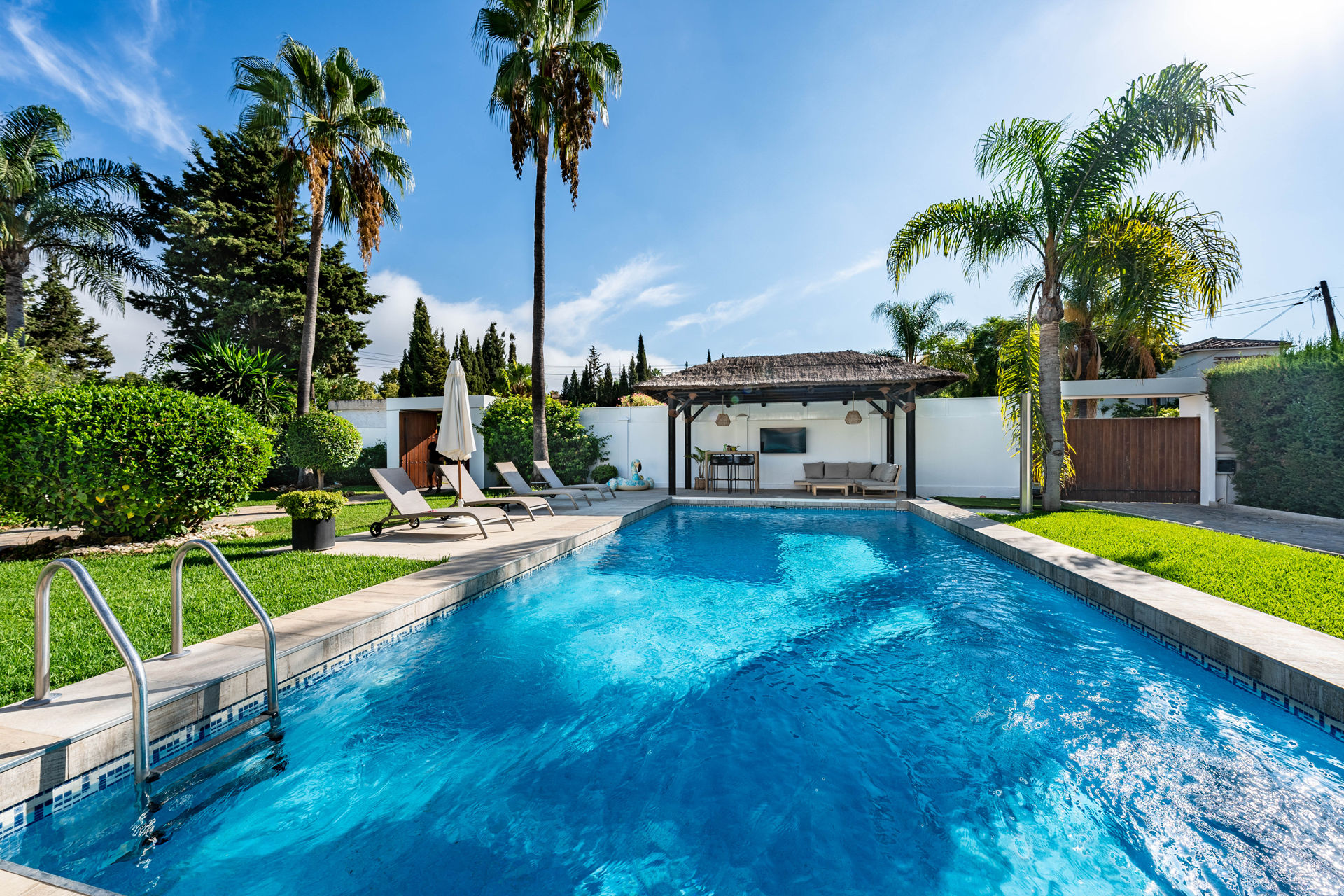
Homes in Masía de Traver are mostly detached and semi-detached houses with private gardens, many built from the 1990s and 2000s, on plots that are generous by Valencia standards. Streets are quiet and green, and the overall atmosphere is calm and family-oriented.
Who tends to be happy living here
Over the years, these are the profiles we have seen settle well in Riba-roja and Masía de Traver:
- Families who want space and nature but still value a metro connection for older children and occasional trips into the city.
- Professionals working near the airport, in the business parks of Riba-roja, Manises or Paterna, or who travel frequently.
- Active families and couples who enjoy cycling, running and walking, and who will use the river park almost daily.
- Families looking for better value than in the most sought-after suburbs closer to Valencia.
It may be less suitable if you want a lively street life with cafés and restaurants outside your door, if your children’s school is on the other side of Valencia, or if you prefer to be close to the beach. Riba-roja is inland, and getting to the coast means crossing the city.
The homes: what to expect and what to check
Based on listings we have seen recently, detached family houses in Masía de Traver are often advertised somewhere between €500,000 and €700,000, with larger or renovated homes going higher. Long-term rentals of family houses are typically advertised at around €2,300 to €2,600 per month, sometimes including community fees. These are rough orientations only: prices move, and every home needs to be assessed on its own merits.
When we visit homes here with families, we look closely at:
- Community fees and services. Check what is included: security, gardens, the club, bus services.
- The age of the house. Many homes date from the 1990s and 2000s. Insulation, windows, heating and air conditioning may need updating, and that should be in your budget.
- Garden and pool maintenance. Larger plots are lovely, but they take time and money to look after.
- Vegetation and fire safety. Like other green areas around Valencia, Masía de Traver sits close to pine woodland, and there have been forest fires nearby in the past. Ask about firebreaks, how the community manages vegetation, and what your home insurance covers.
- Legal and urban planning checks. Extensions, garages and outbuildings are not always properly documented. Our legal checklist for buying property in Valencia explains what to verify before you commit.
If you plan to rent first, landlords usually expect a solid file showing income and solvency. Our FAQ on the solvency dossier for renting in Spain explains what you will typically be asked for and how to prepare it from abroad.
Schools: plan the route before you choose the house
Riba-roja is not built around a single international school in the way that some other suburbs are, so the school decision deserves particular attention here. Several international and bilingual schools in L’Eliana, La Cañada, Paterna and the surrounding area are within a reasonable drive, and some schools run bus routes that pass through Riba-roja. Each option means a different daily journey.
We always recommend choosing the school, or at least narrowing it down, before committing to a home. Visit, ask about waiting lists and admission timelines, and understand the full cost, including transport, meals and activities. Our school finding service in Valencia helps families do exactly that, and our overview of where to live near the best international schools shows how Riba-roja compares with other areas.
Getting around
By car, Valencia city centre is usually around 20 to 25 minutes away outside peak hours, and the airport is often reachable in about 10 to 15 minutes, which is one of Riba-roja’s real advantages for frequent travellers. Access to the main roads towards Valencia and the airport is straightforward, but traffic into the city at rush hour can be slow, so test your commute at the time you will actually make it.
Metro Line 9 from Masía de Traver connects with the city and the airport, and bus services link the development with Riba-roja town and other nearby areas. Many families still have two cars, but the metro gives older children a degree of independence that is rare in comparable communities. Our article on soft mobility in Valencia shows how cycling and public transport can fit into daily life around the city.
Daily life: river walks, the town and the city nearby
Daily life in Masía de Traver is relaxed and outdoors-oriented. Mornings start with school runs or a run along the river, afternoons revolve around the club and activities, and weekends often mean cycling the river path or exploring the Camp de Túria countryside. A few services are available within the development, but for supermarkets, pharmacies and most shopping, residents head into Riba-roja town or to the commercial areas nearby.
Riba-roja town has a strong local identity, with traditional festivities, a weekly market and restaurants serving Valencian classics. International families who make the effort to join local life are usually warmly welcomed, and children quickly pick up Spanish and Valencian at school and in local clubs.
For healthcare, Riba-roja has a public health centre, and your assigned hospital depends on the health department linked to your address. Private clinics and hospitals are available in Valencia. If you have specific medical needs, check which centres you will use before choosing a home.
How Riba-roja compares with nearby areas
Families who look at Riba-roja often compare it with L’Eliana, La Cañada or Bétera. L’Eliana and La Cañada are closer to several international schools and have a more established town life, with metro stations within walking distance of many homes. Bétera’s Mas Camarena and Torre en Conill offer a strong school community and golf. Masía de Traver stands out for its river setting, its own metro stop, quick airport access and often better value for space. Our guides to L’Eliana and to the best suburbs to live near Valencia can help you compare.
Questions we ask every family before they choose Riba-roja
- Which school will each child attend, and how long will the journey take every morning?
- Where will each adult work, and is the airport part of your weekly routine?
- Will your children use the metro, or will they depend on you to drive?
- How much time and budget do you want to spend on a house and garden?
- How do you feel about living close to woodland, with the precautions that involves?
- Would you rather be part of a quiet residential community or a busier town centre?
The answers usually make the choice much clearer.
Is Riba-roja right for your family?
Riba-roja de Túria, and Masía de Traver in particular, can offer a lovely balance of nature, space, security and connections, with the Turia river park on your doorstep and a metro stop at the entrance. It also means being further from the city and the coast, a careful school plan and a realistic budget for running a house. The families who are happiest here are those who chose with both sides in mind.
As an independent, family-run firm, we work only for our clients, never for sellers or landlords. That lets us give you an honest opinion about a street, a house or a school route. Through our relocation services for families, we can help you compare areas, organise visits, rent or buy the right home, and settle in smoothly. If you will be travelling often, our home assistance and property care services can look after the house while you are away.
If Riba-roja is on your shortlist, book a free 15-minute courtesy call. Tell us about your family, your timeline and your priorities, and we will give you an honest view of whether this area fits and how we can help.